North Dakota animal owners reminded of veterinary requirements after New World screwworm confirmed in US
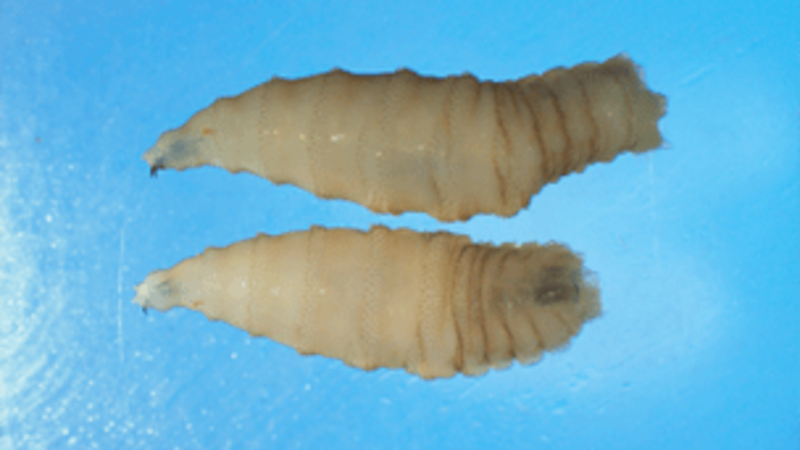
BISMARCK, N.D. (KFYR) - North Dakota animal owners are being reminded to have proper documentation for imported animals, amid the discovery of New World screwworm (NWS) in Texas cattle.
The United States Department of Agriculture (USDA) confirmed NWS in Texas cattle on June 3. To date, there have been no confirmations of NWS in North Dakota or neighboring states.
NWS is a parasitic fly whose larvae can affect all warm-blooded animals, including but not limited to cattle, sheep, goats, horses, dogs, cats, birds, poultry, deer and elk.
Since the first announcement, there have been more cases in Texas and a case of NWS was found in a dog in New Mexico.
USDA and Texas officials are taking immediate action to contain and eradicate NWS from the United States.
The North Dakota Department of Agriculture’s animal health division is working closely with the USDA’s Animal and Plant Health Inspection Service (USDA-APHIS) veterinary staff and other state veterinary offices, including Texas, to maintain open communication and prompt coordination in any necessary responses.
Animal owners are reminded that Certificates of Veterinary Inspection (CVIs) are needed to import animals into North Dakota, and additional requirements are in place for states with an active NWS quarantine in place.
Animals coming to North Dakota from any state that has an active NWS quarantine in place are required to be accompanied by a pre-entry permit number prior to import into North Dakota.
The permit number is to be listed on the CVI.
“If you are bringing animals in from, or traveling into high-risk areas, monitor your animals for wounds. If you notice any suspicious wounds on your animal, have a veterinarian look at it,” said State Veterinarian Dr. Ethan Andress. “Horse owners traveling with an Extended Equine Certificate of Veterinary Inspection (EECVI) should be aware the EECVI will not be accepted from infested states and will require an inspection and CVI with a permit.”
Individuals planning to travel to Mexico with pets should visit the USDA-APHIS Pet Travel Website for the latest guidelines.
“Proper documents help to quickly identify and isolate infected animals, trace their movements and stop further spread,” said Agriculture Commissioner Doug Goehring. “We rely on the cooperation of owners to help safeguard the health of animals and livestock.”
“When NWS infestations are found, infestations can be treated with several FDA-approved products,” said Andress. “A prompt diagnosis and treatment can prevent significant losses.”
Full details on animal movement and importation requirements can be found on the North Dakota Department of Agriculture’s website.
Copyright 2026 KFYR. All rights reserved.