North Dakota focused on increasing voter turnout
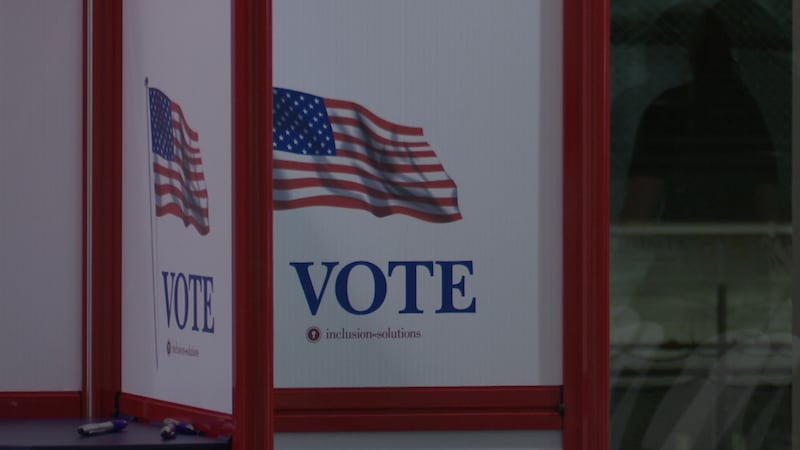
BISMARCK, N.D. (KFYR) - Sept. 16 is National Voter Registration Day, but what does that mean in North Dakota, the only state that doesn’t require formal registration?
The next elections in North Dakota are in June and November of 2026.
“We want to, one, make sure voting is accessible to every eligible voter. We want to make it secure, and we want to make sure it’s accurate. Those are the three principles our office goes forward with,” said Michael Howe, the North Dakota Secretary of State.
In North Dakota, voters present a valid form of North Dakota ID, such as a driver’s license, Tribal ID or long-term care certificate. The ID must include their name, current address of residence and date of birth.
You can also request an absentee ballot without registering, as long as you provide the same ID information.
To be eligible, you must be a U.S. citizen, at least 18 years old, and a resident of a North Dakota precinct for at least 30 days before the election.
One key initiative the Secretary of State’s office is pursuing to increase voter turnout is an “I Voted” Sticker Design Contest.
You might be familiar with the typical “I voted” sticker, but you now have a chance to design one that will be worn by voters in the state of North Dakota.
“It’s a reminder for everybody, too, that there’s an election. Go vote, go participate to elect the leaders. Not only for yourself, but your friends and neighbors. And that really is kind of the origin of the whole thing,” said Howe.
Currently, as part of the federal budget, Congress is debating new federal voting rules that might affect how all states run their elections. Those federal rules could require national voter registration systems or new verification rules that don’t match North Dakota’s system. But Secretary Howe is unconcerned about how it could affect North Dakota.
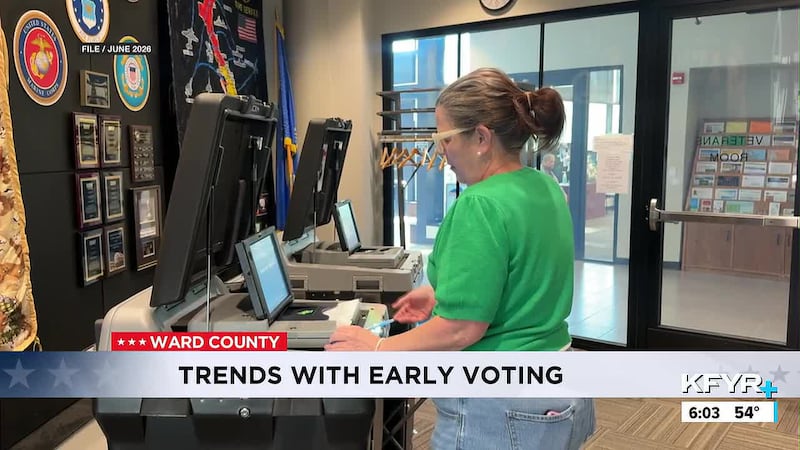
“North Dakota is up with election integrity laws. Long before election integrity was cool. I used that line a lot. We’ve got voter ID. We’ve got paper ballots. Our paper ballot tabulators are not connected to the internet. Those are all things set in motion by the state legislature, I mean, many, many years ago. So I’ve heard the reforms that are being discussed at the federal level. I’m not concerned at all, because North Dakota, we’re already doing those things,” said Howe.
UND political science professor Mark Jendrysik said that most elections are under the guidance of state and local authorities, and they set the rules for them. He also said that to best prepare for the upcoming elections, North Dakotans should familiarize themselves with election procedures and inform themselves on the issues.
June 9, 2026, is the election for city councils and school boards. Voters will also advance candidates for county commission, state legislators and statewide positions. These candidates will advance to an election on the first Tuesday of November. A submission form can be found here.
Copyright 2025 KFYR. All rights reserved.