Traffic fines increasing in construction zones
BISMARCK, N.D. (KFYR) - At minimum, it’s more important than ever to slow down in a construction zone for your wallet’s sake.
For construction workers along the interstate, hearing the sound of trucks, cars and semis driving by is nothing new, as long as they’re following the speed limit.
Some people, like Steven Fischer, have seen the effect of speeding through construction zones through the eyes of a highway patrol officer and as a safety supervisor.
“Slowing down becomes so necessary so you can safely navigate through, and again, protect the workers that we have on-site as well,” said Steven Fischer, safety director of Associated General Contractors (AGC) of North Dakota.
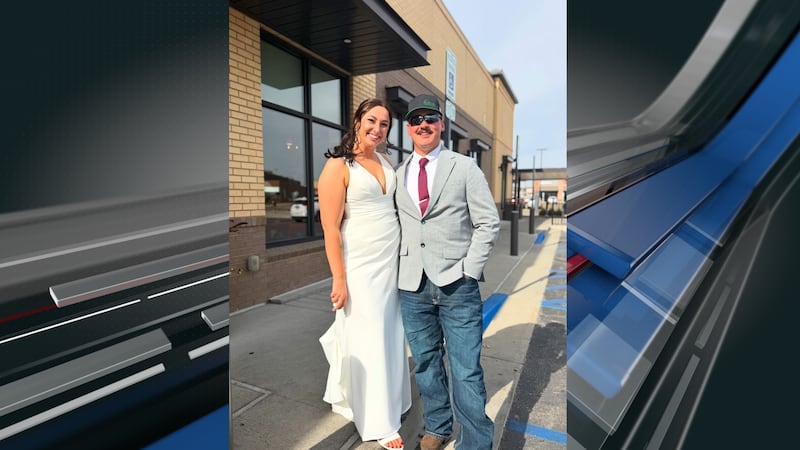
Enter the passing of Pee Wee’s bill: the bill was named in honor of James Wipf, who goes by Pee Wee. In 2024, he was struck by a truck while flagging vehicles, sustaining non-life-threatening injuries.
The bill went into effect on Aug. 1 and will increase the minimum traffic fine when workers are present in a construction zone from $80 to $150.
“We are lower than all of our neighboring states. South Dakota’s minimum is up to $300. Minnesota’s is up to $500. We’re lower than Montanan as well. The fact of the matter is, there is no speeding fine if you don’t speed,” said Russ Hanson, executive vice president of the AGC of North Dakota.
Hanson and others say the bill increases driver and worker safety on the roadways.
“Dealing with the traveling public is an extremely hazardous part of our jobs, each and every day. So, we just felt this was a need to change this to hopefully slow people down to better protect our people,” said Northern Improvement Vice President and Safety Manager Nate Sandberg.
According to DOT figures, from 2019 to 2024, there were over 1,300 vehicle crashes in work zones that led to many injuries and nine deaths.
Another traffic law that went into effect on Aug. 1 is window tinting. Drivers can tint their windows up to 65%. The maximum previously was 50%.
Copyright 2025 KFYR. All rights reserved.