‘Don’t see anything positive’: Local cattleman warns foreign beef imports will harm local producers
KINTYRE, N.D. — For North Dakota’s independent livestock producers, the announcement of a massive federal plan to temporarily flood the domestic market with tariff-free foreign beef did not just create policy headlines—it immediately disrupted their livelihoods.
Randy Weigel, a veteran North Dakota cattle trader who buys and sells livestock weekly, was right in the middle of a transaction when the news broke.
“I was sitting in a sale barn trying to buy cattle, and that really made things a lot more difficult,” Weigel said. “It just creates a lot of uncertainty in our cattle business because it’s just something that we probably haven’t had to deal with before.”
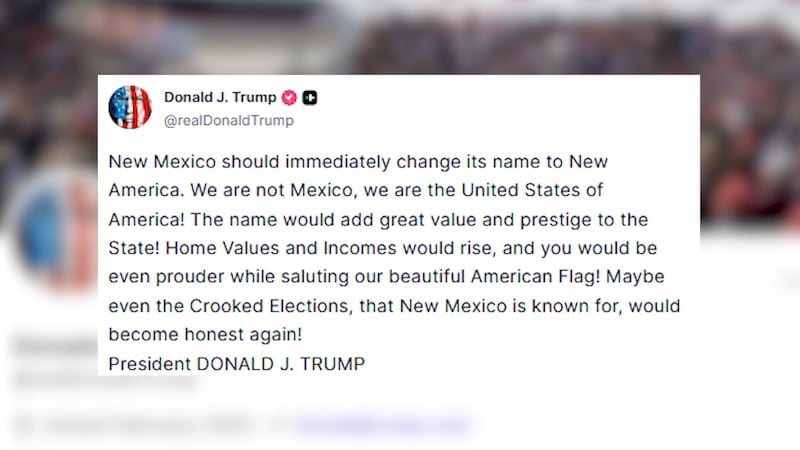
Under the temporary directive announced by President Donald Trump, the United States will allow up to 300,000 metric tons of foreign beef to enter the country tax-free over the next 90 days. The administration claims the deal with foreign exporters guarantees the meat will be sold at 25% below current U.S. market rates, providing direct relief to consumers struggling with record-high grocery bills.
But Weigel says local cattle markets turned downward the moment the announcement went public.
“The local cattle markets have dropped significantly,” Weigel explained. “They already were in a little downtrend here with our other negative news, and this news really helped it go down faster. So I don’t see anything positive at all about this announcement for our U.S. cattle people. It was just a real negative.”
Beyond the immediate market dip, Weigel believes the beef industry is being unfairly singled out as a scapegoat for broader inflation.
“Beef hasn’t gone up any more than anything else,” Weigel said. “Whether it be when you walk into a gas station and pick up a can of pop or a candy bar or potato chips, or even if you sit outside in line for the coffee in the morning. I feel beef is still a very, very good buy, and I think it hasn’t gone up near as much as actually some of our other products.”
Weigel suggested that the federal government should turn their attention away from independent agriculture and focus on energy costs.
“I was kind of hoping that if they want to have some relief in our country, that they would probably pick on something like fuel, because I think that affects more of our people and our consumers in our country,” Weigel said.
Weigel is also concerned that the promised 25% discount will ever actually make it to the retail shelf.
“I am concerned if it’s going to get passed down to the consumer, because there are a lot of channels that that beef has to go through,” Weigel noted. “And if they are going to do this, I just hope our consumer is the one that does get the 25% reduction.”
As for how North Dakota’s independent producers will handle the incoming wave of foreign competition, Weigel says they will do what they have always done: adapt, endure, and keep working. But his message for lawmakers in Washington remains clear.
“I would tell them to probably stay out of our beef business, because we can stand on our own,” Weigel said. “But we’ll have to adjust to it like we have in the past when we’ve had negative things thrown at us.”
Copyright 2026 KFYR. All rights reserved.