Top ND energy leaders weigh in on bearish oil market, Continental Resources
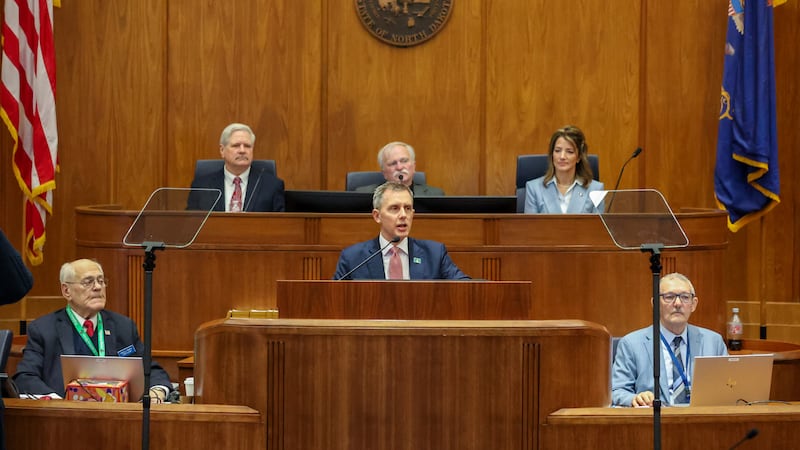
BISMARCK, N.D. (KFYR) - North Dakota’s top energy leaders shared their thoughts on the bearish oil market, which led to Continental Resources announcing that it would stop new drilling in the state.
Oil prices are sliding, and even though you might like cheaper gas, in North Dakota, it can be a warning sign. When oil drops into the mid-50s, producers say they’re getting squeezed, drilling can slow, and that can mean fewer jobs in the patch and less tax money flowing into schools, roads and local budgets across the state.
Oil producer struggles started in 2025, and 2026 is not looking better.
Many producers are feeling the squeeze.
“The cost of production in a Bakken-type well in today’s inflationary world has obviously increased a lot, so these are not great economic times in the oil and gas industry. We continue to harvest those wells every day to pay the bills,” said Ron Ness, president of the North Dakota Petroleum Council.
This isn’t unprecedented, but it’s a stubborn low-price environment driven by global oversupply. The oversupply is such a significant factor that it provided a buffer from many international conflicts.
“And so, you know, regardless of all the geopolitical issues that are out there right now, whether it’s, you know, the Venezuela situation, China stockpiling oil, all of these things in the past in a more balanced environment typically have impacts on oil price,” said Nathan Anderson, director of the North Dakota Department of Mineral Resources.
Oil prices right now are hovering around $58–$60 a barrel, low compared with recent years. In the Bakken, the break-even price for a new well is about $60.
Harold Hamm, the billionaire founder of Continental Resources and one of the biggest names tied to North Dakota’s oil boom, recently announced he will stop new drilling in the Bakken.
“We have an understanding that there’s a few rigs that will be reduced over the next three months, and we’ll just see how those impact production and activity levels into the summer,” said Anderson.
The mineral resources director said that he’s seen the situation building for months and has heard from other oil companies that are considering halting their drilling operations. He expects drilling to increase again when prices rebound. He doesn’t see this happening within the year, and said that prices will likely stay the same, unless there’s a meaningful pullback in production and activity.
Copyright 2026 KFYR. All rights reserved.